
Table of Contents
Ever heard the satisfying crash of pins after a perfect strike? That's the magic of bowling! It's more than just a fun pastime; it's a sport with a rich past, different styles, and a whole lot of cool gear. This article is your lane to understanding everything about bowling, from its ancient roots to how it's played today. We'll explore the different ways people bowl, from the classic ten-pin setup to other kinds you might not know about. We'll also check out the equipment, like those shiny balls and special shoes, and how they help you get your game on. Finally, we'll cover how scoring works and how everyone, even people with disabilities, can enjoy bowling. So, grab your lucky ball, and let’s roll into the fascinating world of bowling!
Bowling: A Roll Through Time
Bowling: A Roll Through Time
Ancient Origins
You might think bowling is a modern thing, but it's actually super old! We're talking way back to ancient Egypt, where they played a version of it. Imagine that—mummies and bowling! Archaeologists found drawings of people bowling in tombs from around 3200 BC. It wasn't exactly the same as what we do today, but the idea was there: roll something towards a target. They used different equipment and the rules were a bit of a mystery, but it’s still amazing to think that people were having fun with bowling thousands of years ago.
This shows that the simple act of rolling a ball is something that humans have enjoyed for centuries. It's kind of wild to think that when we grab a bowling ball today, we're connecting to a tradition that spans back thousands of years. It makes you feel part of a long, long line of bowlers, doesn't it? It wasn’t always about fancy shoes and perfectly polished lanes; it was about having fun, and that’s something that hasn't changed.
Evolution of the Game
Fast forward a few thousand years and bowling started popping up in different places and forms. In Europe, especially Germany, they played a game that was closer to what we know as bowling. It involved pins and a ball, and people would play in churchyards as part of religious ceremonies. Over time, it spread to other countries and became a popular pastime. Then, when people started moving to America, they brought their bowling with them, and that’s where the game really began to take off.
The rules weren't always set in stone. It was a bit like the Wild West of bowling with different places playing by different rules. That’s why, in 1895, some people got together in New York City and created the American Bowling Congress to make the rules more official. This helped make bowling a real sport, not just a fun thing to do. Today, people all over the world enjoy bowling, and it's cool to see how this ancient game has changed over time.
Time Period | Location | Key Features |
|---|---|---|
3200 BC | Ancient Egypt | Early forms of bowling depicted in tombs. |
Medieval Europe | Germany | Bowling played in churchyards. |
1895 | New York City | American Bowling Congress establishes standard rules. |
Bowling Variations: Pins and Beyond
Bowling Variations: Pins and Beyond
Ten-Pin: The Classic We All Know
When most people think of bowling, they picture ten-pin. It's the most common type, especially in North America. You’ve got that big, heavy ball and ten pins set up in a triangle. The goal is simple: knock 'em all down! It's a game of skill, strategy, and maybe a little bit of luck. You might have seen it in movies or played it at a local bowling alley. It's the kind of bowling that has leagues, tournaments, and even professional players. So, if you hear someone say "bowling," chances are they're talking about ten-pin. I think it is the most popular because it is so accessable!
But here's the thing, not all bowling is about ten pins. There are other cool versions out there. It’s like how there's different flavors of ice cream; it’s still ice cream, but each one is a little different. Ten-pin bowling uses the biggest balls and pins compared to other types. It is also the most popular and the one that first pop in mind when someone says "bowling". Ten-pin bowling is the one we usually see in the bowling ally.
Other Pin Games: Beyond Ten
Now, let’s talk about the other pin games. There's nine-pin bowling, which is popular in Europe. Instead of ten pins, you have nine, and they're set up in a diamond shape. The rules and scoring are a little different, which makes it a whole new challenge. It’s like a different puzzle to solve. Then there’s candlepin bowling, which is mainly played in eastern Canada and New England. It uses thin, straight pins that look like candles, and the balls are small and light. It’s a game that requires a lot of finesse and is known to be harder than ten-pin bowling. It's like the difference between playing basketball and playing with a tiny ball, a whole different experience.
There are also other variations, like five-pin bowling, mainly played in Canada. The pins are smaller, and they have a rubber band around them. It's a much faster game, and it’s a lot of fun. There are so many ways to enjoy the sport. Each variation has its own quirks and challenges, which keeps things interesting. It is actually quite fascinating how much the bowling sport has evolved, and it's far more than what you might expect. It is a whole new world of fun to discover!
Bowling Type | Number of Pins | Pin Shape | Ball Size | Location |
|---|---|---|---|---|
Ten-Pin | 10 | Large, Triangle | Large, Heavy | North America |
Nine-Pin | 9 | Medium, Diamond | Medium | Europe |
Candlepin | 10 | Thin, Straight | Small, Light | Eastern Canada, New England |
Five-Pin | 5 | Small, with Rubber Band | Small | Canada |
Bowling Equipment: The Tools of the Trade
Bowling Equipment: The Tools of the Trade
The Bowling Ball: Your Rolling Companion
Okay, so let's talk about bowling balls! They're not all the same, you know. They come in different weights, sizes, and with different materials. The weight of the ball is super important; it needs to feel comfortable for you. You don't want something too heavy that you can't control or too light that you can't get any power behind it. Most people use a ball that's about 10% of their body weight, but it's really about what feels right for you. Think of it like finding the perfect pair of shoes, you need to find the one that fits you best to get the best out of it. It’s not just a heavy ball; it's your partner in crime on the lane!
And the materials? Oh boy, that’s a whole other thing. Some balls are made with plastic, which is good for beginners because it's easier to control. Others are made with reactive resin, which is fancy stuff that helps the ball hook or curve. It’s like the difference between a regular car and a race car; they both get you from A to B, but one is designed for much more than just that. The surface of the ball can also make a difference, so you really need to find the right one for your bowling style. It’s like choosing the right wand in Harry Potter; it’s got to fit you!
Shoes: Grip and Glide
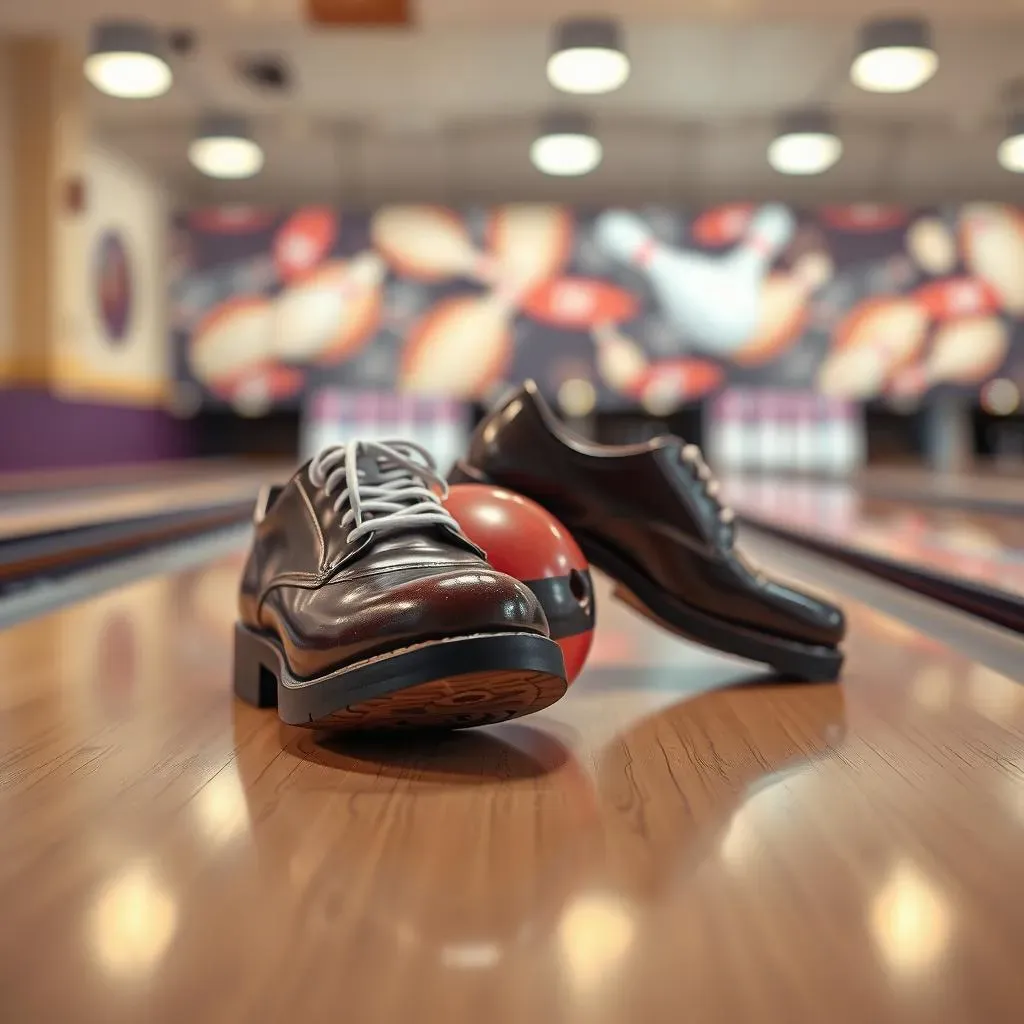
Now, you might think bowling shoes are just for show, but they're actually super important. They’re not just any old shoes; they’re designed to help you slide properly on the lane and get the right amount of grip. Imagine trying to bowl in your sneakers; you’d be slipping and sliding everywhere! Bowling shoes have special soles, one shoe will have a sole that helps you slide, and the other shoe will have a sole that helps you grip the lane. This helps you get the right balance and power when you bowl. It's like having the right tires on a race car, it is a must for the sport! They're not just rental shoes; they’re part of the bowling experience.
Each shoe is different, and some people even have their own custom bowling shoes! It's like having a special tool that's made just for you. They're designed to help you get the best slide and grip possible, it's important. You need the right shoes to get the right stance and the right power. It is important to take care of them so they continue to have the right grip, and do not damage the surface of the lane.
Equipment | Purpose | Material | Considerations |
|---|---|---|---|
Bowling Ball | To knock down pins | Plastic, Reactive Resin | Weight, Size, Surface |
Bowling Shoes | To provide proper slide and grip | Special soles | Fit, Sole type |
How to Play Bowling: Scoring and Accessibility
How to Play Bowling: Scoring and Accessibility
Scoring: Strikes, Spares, and Open Frames
Okay, let's talk about scoring; it might seem a little confusing at first, but it’s actually pretty straightforward once you get the hang of it. Each game of ten-pin bowling has ten frames, and in each frame, you get two chances to knock down all the pins, unless you get a strike (that's when you knock all the pins down with your first ball). If you get a strike, you don't get a second roll, and the score for that frame is ten plus the number of pins you knock down in your next two rolls. That's why a strike is so important; it racks up the points fast! It is a like a bonus points!
If you don't get a strike, and you knock down all the pins with your two rolls, that's a spare. A spare gets you ten points plus the number of pins you knock down on your next ball. But, if you don't knock down all the pins in a frame, that's an "open frame," and you just get the number of pins you knocked down. The scoring system is designed to make the game more exciting and strategic. It is not just about knocking down pins; it is about planning your moves to get the most points. It's like a math puzzle, but with bowling balls!
Accessibility: Bowling for Everyone
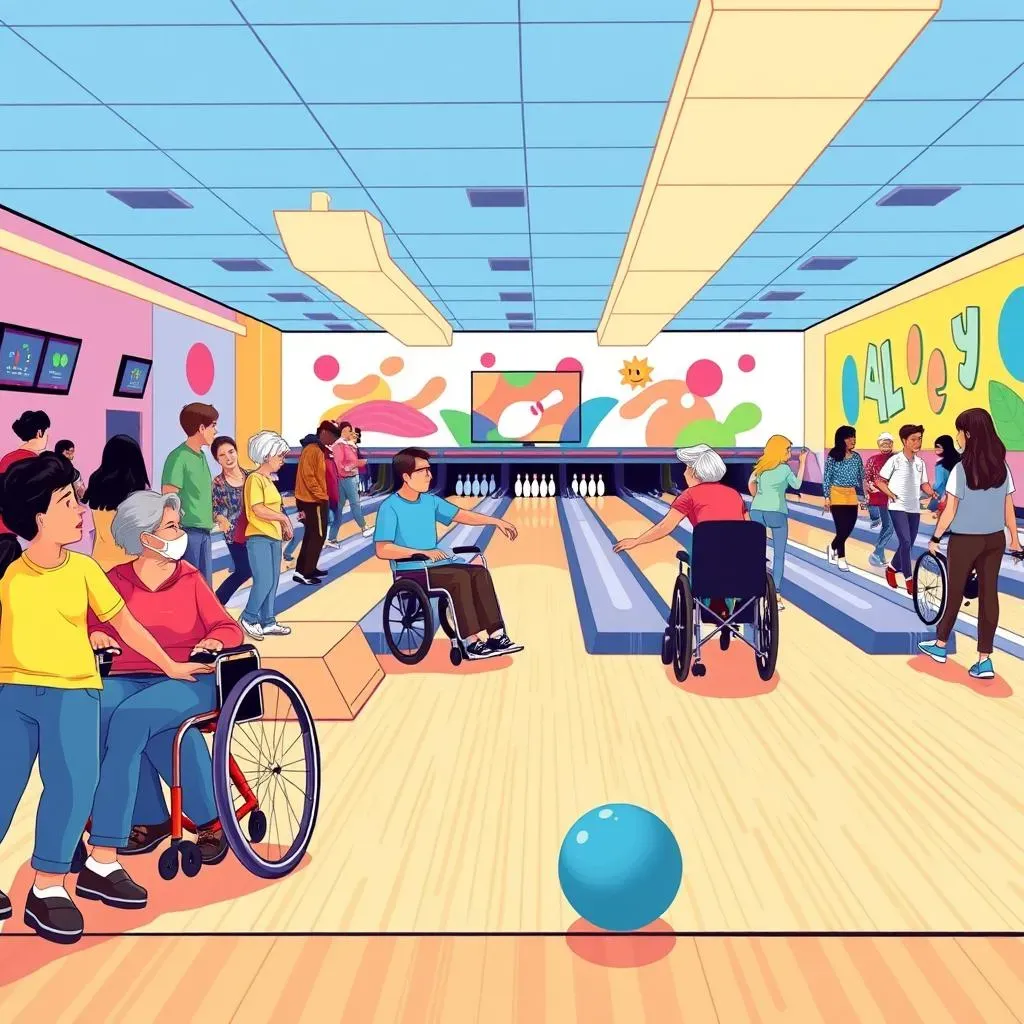
Bowling is fantastic because it is a sport that everyone can enjoy. It’s not just for super athletes; people of all ages and abilities can play. There are special ramps that people can use to push the ball down the lane if they can’t do it with their hands. There are also lighter balls for people who find the regular ones too heavy, and it is a great way for people with disabilities to enjoy the sport. These adaptions make it so much easier for people to play, and it shows how inclusive bowling can be. It’s about having fun and being part of a game, no matter what your physical abilities are.
Many bowling alleys have also made changes to make their facilities accessible, like ramps, wider lanes, and accessible bathrooms. The sport has even been adapted for people with visual impairments, using audio cues and tactile guides. Bowling is a great way to bring people together and have a good time. It’s more than just a game; it's a way for everyone to participate and feel included. I think that's one of the best things about it. It is a place where everyone can have fun. It is a sport that is made for everyone!